image from : americanreddevils.com
Manchester United Football Club is more than just a sports team; it is a global commercial behemoth and a defining cultural institution. With a history stretching back to 1878, the club’s narrative is a compelling blend of spectacular triumph, profound tragedy, and unparalleled global marketing success. From the working-class origins of Newton Heath to becoming the world’s most recognizable football brand, the story of the Red Devils is a blueprint for sporting and financial dominance.
Source : americanreddevils.com
I. The Formative Years: From Railway Workers to Manchester United (1878-1945)
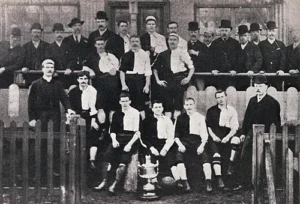
The club’s roots lie in the working-class fabric of industrial Manchester. Founded in 1878 as Newton Heath L&YR F.C. by the workers of the Lancashire and Yorkshire Railway, the team initially wore the modest green and gold colors.
The pivotal shift came in 1902. Grappling with severe financial debt, the club was facing bankruptcy. A local brewery owner, John Henry Davies, stepped in, investing crucial capital that saved the team. With this rescue came a rebrand: Manchester United Football Club was born, adopting the famous red jerseys. The club secured its first league title in 1908 and moved into its iconic home, Old Trafford, in 1910—a stadium later nicknamed “The Theatre of Dreams.”
Source : bolaskor.merahputih.com
II. The Busby Babes and the Munich Tragedy (1945–1969)
The post-war era was defined by the legendary manager, Sir Matt Busby. He revolutionized the club by prioritizing youth development, establishing a world-renowned academy that nurtured homegrown talent.
This young, brilliant team, affectionately known as the “Busby Babes,” achieved unprecedented success in the 1950s. Their ambition culminated in their participation in the new European Cup.
The Defining Catastrophe: Munich Air Disaster (1958)
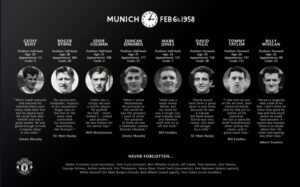
On February 6, 1958, the club’s dreams were shattered. Returning from a European Cup tie, the team’s plane crashed in Munich. Eight players and 15 other passengers perished. The tragedy shook the footballing world, but under the inspirational leadership of the recovering Busby and the brilliance of survivors like Bobby Charlton, the club demonstrated incredible resilience.
The rebuild culminated a decade later with United becoming the first English club to win the European Cup in 1968, starring the legendary trio: Charlton, George Best, and Denis Law. This victory cemented Manchester United’s legacy as a symbol of hope and resurrection.
Source : es.uefa.com
III. The Ferguson Era: Commercial and Sporting Zenith (1986–2013)
The arrival of Sir Alex Ferguson in 1986 marked the beginning of an era of sustained, relentless dominance that transformed United into a global brand powerhouse.
The Premier League and Global Expansion
Ferguson ended the club’s 26-year league title drought in 1993, ushering in the Premier League era. The club’s strategy seamlessly married sporting success with aggressive commercial growth.
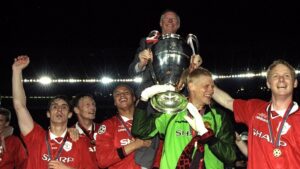
- The Treble (1999): The most iconic season saw United win the Premier League, the FA Cup, and the UEFA Champions League—a historic achievement that established the club’s worldwide fame and dramatically increased its commercial value.
- Star Power: Players like Eric Cantona, David Beckham, Ryan Giggs, and Cristiano Ronaldo were not just footballing stars; they were global celebrity assets. Their images and endorsements multiplied the club’s revenue streams far beyond match-day tickets.
During this period, Manchester United leveraged broadcasting revenues and lucrative sponsorship deals, transforming the club into a massive profit-generating machine and setting the gold standard for football club management.
IV. The Post-Ferguson Era and Commercial Focus (2013–Present)
Since Sir Alex Ferguson’s retirement, the club has experienced inconsistency on the pitch. However, its financial machine has remained largely unaffected, demonstrating the strength of the brand equity built over decades.
The club’s valuation, multiple multi-million-pound sponsorship deals (from kit manufacturers to global partners), and massive social media following solidify its status as a top-tier investment asset. The focus has shifted heavily towards the commercial and digital monetization of its enormous global fanbase, making Manchester United a powerful case study in the intersection of elite sport and high finance.
Manchester United is a legacy defined by tragedy and glory, but its modern identity is defined by its unmatched cultural impact and exceptional commercial gravity, ensuring its continued relevance at the top echelon of global enterprise.